

The Allure of Environment
The physical environment of a casino is meticulously designed to captivate and engage visitors. From the moment one steps inside, the ambiance is crafted to evoke excitement and intrigue. The choice of colors, lighting, and textures plays a crucial role in creating a sensory experience. Warm hues and vibrant lights draw attention to gaming areas, while softer, cooler tones can promote relaxation in lounges. This strategic color palette influences mood and enhances the overall experience, encouraging players to stay longer and explore options like 1win for their gaming preferences.
Another key element is the layout of the casino. A carefully planned flow guides visitors through various gaming areas and entertainment options. This design not only maximizes space but also encourages exploration. By placing high-stakes games near the entrance, casinos attract players looking for excitement, while quieter areas allow for social interaction. The navigation of these spaces is seamless, ensuring that guests feel comfortable as they move through the casino, which promotes longer visits and greater engagement with the offerings available.
Moreover, casinos often incorporate elements that resemble fantasy worlds, such as elaborate themes inspired by various cultures or historical periods. This creative escape captivates the imagination, allowing guests to immerse themselves in a different reality, far removed from their everyday lives. The psychology behind creating such an environment is rooted in the desire to make visitors feel special and valued, further enhancing their gaming experience and increasing the likelihood of return visits. This strategic design fosters a connection between the environment and the players, making every visit feel unique and memorable.
Sound Design and Its Impact
Sound plays a pivotal role in the psychological experience of casino visitors. The auditory landscape is often filled with a mix of upbeat music, the sounds of coins dropping, and the chatter of fellow players. These carefully curated soundscapes are designed to evoke positive emotions and stimulate excitement. For example, upbeat music can elevate energy levels, making players feel uplifted and more willing to engage in gaming activities. The right mix of sounds creates an atmosphere that feels alive, encouraging guests to stay longer and participate more actively in the gaming experience.
In addition to background music, the sounds that accompany winning plays are strategically designed to reinforce positive behavior. The dinging of a slot machine when a player wins serves not just as an indicator of a successful moment but as a psychological reward. This auditory feedback is crucial; it creates a conditioned response where players associate the sounds of success with continued play. This phenomenon is similar to operant conditioning, leaning heavily on the psychological principles of reinforcement that keep players returning for more. The clever use of sound can turn a simple win into a memorable experience that players long to recreate.
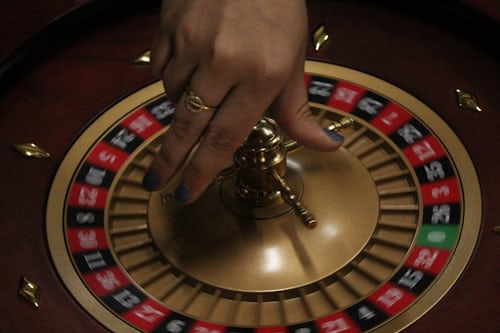
Silence, on the other hand, is also used effectively in certain areas of a casino. High-stakes games may feature quieter environments to create an atmosphere of seriousness and focus. This contrasts sharply with the lively areas on the casino floor, encouraging players to enter a zone of concentration when needed. The dynamic interplay between different soundscapes enhances the multifaceted experience of gaming, making each visit uniquely engaging and stimulating for patrons. This strategic use of sound ultimately contributes to the overall emotional landscape of the casino, influencing how players feel and behave during their time there.
Psychological Triggers and Game Design
Casino games are designed with psychological triggers that exploit cognitive biases and behavioral patterns. For instance, many games employ near-miss opportunities, where players come close to winning but ultimately do not. This design element can create a false sense of hope and encourage continued play. Players often become compelled to try just one more time, believing that they are on the brink of a breakthrough. This phenomenon aligns with the psychological concept called the “gambler’s fallacy,” where individuals believe that future probabilities are influenced by past events. Such design choices keep players engaged, as they feel a personal connection to the outcome of their gaming experience.
Another aspect of game design is the use of variable reward schedules, which are a cornerstone of behavioral psychology. These schedules provide rewards at unpredictable intervals, leading to a high level of engagement and excitement. Players are kept on edge, eagerly anticipating when the next jackpot might occur. This unpredictability can enhance the thrill of gaming, making the experience more addictive and captivating, ensuring that players remain engaged for extended periods. The excitement of not knowing when a reward might come can be a powerful motivator, driving players to return to the tables or machines.
Furthermore, the design of games often taps into social interactions. Multiplayer games or those with community bonuses encourage camaraderie and competition among players. The social aspect of gaming can fulfill psychological needs for belonging and achievement. By creating community-focused experiences, casinos not only enhance the fun but also encourage players to return for both the gaming opportunities and the social interactions that come with them. This blend of social engagement and competitive spirit amplifies the thrill that players seek in casino environments, making every gaming session feel like a shared experience.
The Role of Psychology in Marketing Strategies
Marketing strategies in the casino industry are deeply rooted in psychological principles aimed at attracting and retaining customers. One significant tactic is the use of loyalty programs that reward frequent players. These programs are designed to create a sense of belonging and commitment while leveraging the psychology of reciprocity. When players receive rewards or incentives, they often feel compelled to return the favor by continuing to engage with the casino, thus reinforcing their loyalty. This relationship not only benefits the casino but also enhances the player’s experience by making them feel valued and special.

Additionally, targeted promotions are used extensively to appeal to different demographics. For example, special events or promotions featuring popular themes are crafted to resonate with specific audiences, creating a feeling of personalization and exclusivity. This marketing strategy taps into consumers’ desires to be part of a select group, enhancing their attachment to the casino and encouraging them to participate in events that align with their interests. The psychological principle of scarcity also becomes relevant here; limited-time offers create urgency and can drive immediate participation, compelling customers to act quickly and seize the opportunity.
Moreover, the strategic use of influencers and social media marketing establishes a connection with potential customers. By showcasing experiences through the eyes of popular personalities or engaging online content, casinos can attract a younger audience. This approach leverages psychological principles of social proof, where individuals are more likely to engage in activities endorsed by others. By using relatable content, casinos can create aspirational experiences that entice new patrons, fostering a sense of community around their brand. This modern approach to marketing not only captures attention but also builds long-lasting relationships with customers.
Website Engagement and User Experience
In today’s digital age, the design of online casino websites closely mirrors the principles discussed regarding physical casinos. User experience is paramount, with engaging visuals and intuitive navigation designed to replicate the excitement of a physical gaming environment. High-quality graphics and immersive sound effects provide players with an engaging experience, making them feel as though they are stepping into a real casino from the comfort of their own homes. This seamless transition from physical to digital enhances user satisfaction and encourages prolonged engagement with the site.
Moreover, online casinos utilize psychological techniques such as gamification to enhance user engagement. Features like progress tracking and reward systems motivate players to return and enjoy the experience. This approach provides a sense of achievement and encourages users to continue exploring different games and offerings, thus increasing the duration of their visits. By fostering an interactive and engaging environment, online platforms create an atmosphere that mirrors the thrill and excitement of traditional casinos, ultimately keeping players invested in their gaming journey.
Finally, effective websites maintain regular interaction with their users through personalized content and targeted promotions. By leveraging data analytics, casinos can tailor their offerings to meet the preferences and behaviors of their players. This personalization fosters loyalty and enhances the overall gaming experience. A website that understands its audience and adapts accordingly is more likely to succeed in retaining players, creating a robust online gaming community that thrives on shared experiences and engagement. This strategic focus on user experience ensures that players feel connected and valued, driving their continued participation and satisfaction.

